
This article is based on my recent speech at the ATD Japan Summit (March 2025). I’m grateful to Masayuki Imamura-san and Hiromi Nohara-san for introducing me to the ATD Japan community.
Artificial Intelligence (AI) is rapidly reshaping human resources (HR) and the workforce, promising significant improvements in efficiency, insight generation, and strategic value. Yet many organizations struggle to evolve beyond basic task automation towards true organizational transformation. To harness AI’s full potential, HR must think beyond choice of AI technologies and connecting future workforce with clear business objectives.
How do you envision people working three, five, or ten years from now? If you’re not sure yet, this article can help you start planning.
AI’s Promises and Challenges in HR
AI offers revolutionary opportunities across HR processes like talent acquisition, employee engagement, retention, and diversity initiatives. Through resume screening, predictive analytics, and sentiment analysis, AI promises greater efficiency and precision. Virtual assistants can handle routine HR tasks, allowing professionals to focus on strategic priorities.
However, significant barriers remain. Technological complexity, limited AI literacy among HR teams, and strategic misalignment between AI applications and organizational needs hinder successful implementation. Addressing these challenges is crucial to fully leverage AI’s transformative potential. Here are three keys to fully unlock this AI potential:
- Creating an integrative people strategy
- Redefining future workforce skills
- Establishing a data-driven HR
Key 1: Develop an Integrative People Strategy
An integrative people strategy ensures HR’s efforts are in alignment with objectives from other C-suite leaders. A successful people strategy plays a vital role in identifying essential talent and workforce skills to deliver business goals. To that end, the Chief HR Officer (CHRO) must synchronize development of customized hiring and performance management practices with corporate strategy.
Consider an analogy of a French restaurant business: a chef de cuisine oversees kitchen management; chefs de partie handle specialized areas such as soup, fish, or desert; and the restaurant director ensures smooth restaurant operations for the best customer experiences. HR works as a chef de cuisine, ensuring seamless coordination between different chefs de partie (department leads) can acquire the talent and skills they need to drive their business impacts. But together, the kitchen crew will work together and make sure they deliver a memorable meal so that the restaurant director can ensure the highest customer satisfaction (a.k.a. stakeholders’ expectations)
That said, HR should not expect itself to be an expert in every business domain. Rather, HR must actively engage in strategic dialogues across different levels of management. HR should position itself as a proactive problem-solver and facilitator, tailoring hiring, training, and workforce performance assessment and continuing to supply skilled talent that propel the business growth. Here are some actions which HR can take today:
- Create an Integrative People Strategy that aligns with business goals and Corporate Strategy
- Position HR as a proactive listener & problem solver who drives business metrics
- Work with department leads to define workforce skills in the future for hiring, training, and performance evaluation
That said, what are the core skills required for the future workforce?
Key 2: Redefining Workforce Skills
AI’s growing capabilities require HR to redefine what constitutes core workforce skills. Roles previously viewed as safe—such as content creation, customer support, data analysis, coding, and journalism—are increasingly enhanced if not replaced by AI tools.
Rather than viewing AI as a competitor, HR professionals must foster a collaborative dynamic between human workers and AI. In other words, instead of a fight-or-flight mindset, HR should foster a symbiosis between AI and the current workforce. The critical shift involves prioritizing higher cognitive skills like evaluation, synthesis, and innovation. The key to this shift is to help employees transition from routine task executors to higher-level supervisors who oversee, refine, and innovate based on AI-generated outputs.
Consider software development: while AI efficiently generates code, produces various solutions, and debug, human oversight remains essential for evaluating solutions against performance, scalability, ethical standards, and innovative potential. For example, when AI proposes a quick fix in a software product, could it withhold voluminous API calls from different operating systems? Similarly, in marketing content creation, AI tools can rapidly produce content, yet human experts play a critical role in reviewing AI-proposed content with strategic goals, audience preferences, and ethical considerations based on different cultural cues. For instance, is an AI-generated advertising campaign offensive to a specific audience group despite its potential to attract substantial click-through rate (CTR)?
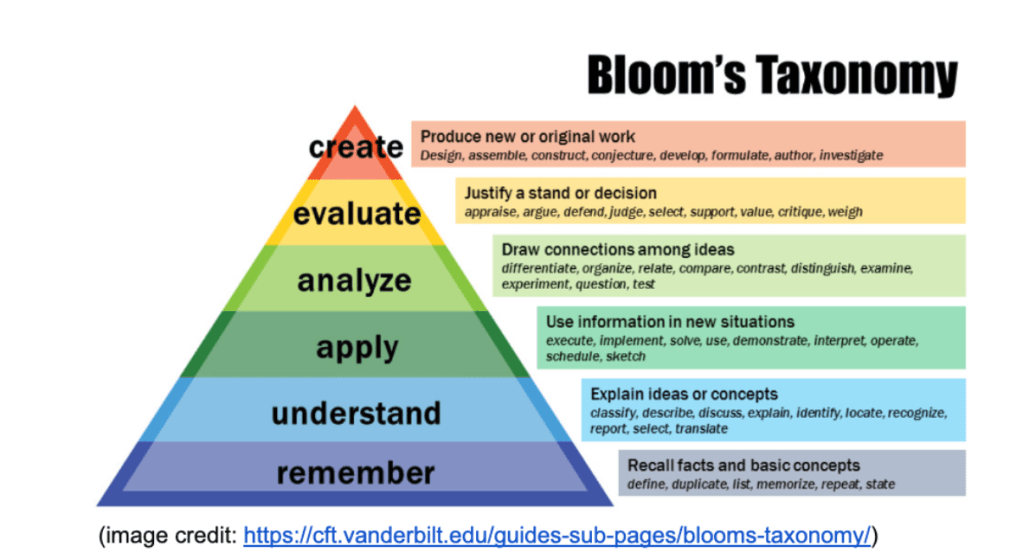
HR should not consider what type of job will be AI-safe when it strategizes future workforce with their business objectives, instead they should focus on the level of cognitive skills in light of the symbiotic working dynamic with AI. Here are some actions which HR can take today:
- Connect with company leads to define higher cognitive skills by focusing on a symbiosis with AI
- Include in the People Strategy a short- and long-term plan to shift workforce skills & encourage career-long learning
- Develop new performance measurement with department leads for higher level cognitive skills
How do we measure employees’ performance with these new skills based on existing workforce performance KPIs?
Key 3: Embracing Data-driven HR
Data-driven HR leverages analytics to enhance decision-making processes significantly. Predictive analytics for recruitment, sentiment analysis for employee engagement, and workforce forecasting can vastly improve HR efficiency and organizational effectiveness.
Building a successful data-driven HR framework involves not just hiring capable data scientists and engineers and applying advanced algorithms; instead, the foundational work to prioritize initiatives with immediate, tangible impacts to foster organizational buy-in is critical at the outset. Oftentimes, what sets HR up for failure is a heavy investment in technologies but a lack of a clear connection between workforce performance metrics with organizational goals. To transform HR into a data-driven business function, it is important to consider not just big data but good data. When developing new performance metrics, collaboration between domain experts (who understand the business context) and data specialists (who bring analytical expertise) is essential. For instance, how does HR map out a new performance metric if it wants to evaluate a software engineer’s AI supervision skills based on the quantity and quality of innovative solutions to this AI-human symbiotic collaboration?
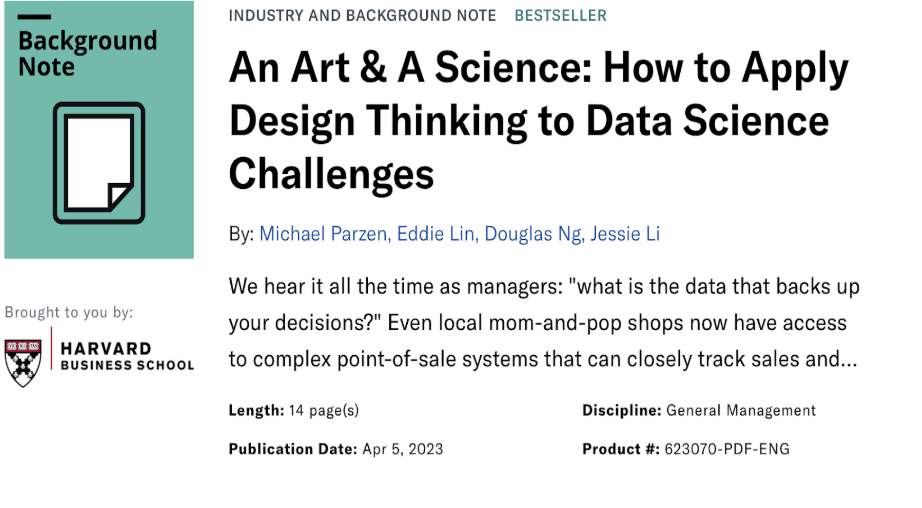
Previously, I have worked with my collaborators from Harvard Business School to create The Data-Enabled Experimental Data Science (DEEDS) framework which combines design thinking and data science (link). The idea behind this framework is to help business leaders to avoid getting the data metric right but the business metric wrong. By combining the rigor of data science and user understanding in design thinking, HR can be confident that it is not just solving “a” problem but “the” problem. To do so, here are some actions which HR can take today:
- Gauge the level of maturity for data analytics on your HR team to set a short-/long-term data strategy
- Find the first problem to solve with what you have, rather than waiting for the best problem, best tool, or big data
- Incentivize collaborations between data specialists and domain experts to solve the right problems
Conclusion: From Automation to Transformation
Transitioning from mere automation to genuine organizational transformation is a critical strategic objective for HR. Effective AI adoption involves cultivating an integrative People Strategy, redefining workforce roles, and establishing robust data-driven frameworks. HR professionals who successfully navigate these complexities will not merely automate existing processes but fundamentally transform its organizational role before transforming the business it services.
AI offers the tools, but it is ultimately human intelligence, creativity, and ethical judgment that will define how effectively these tools serve organizational goals. The future of HR in the AI era is bright, provided we strategically and thoughtfully navigate the path from automation to genuine transformation.
 Elevation Intelligence
Leave a comment